Elephant's foot (Beaucarnea recurvata) – A desert survivor and stylish room decoration
Beaucarnea recurvata, better known as the elephant's foot or pincushion tree, is one of the most unusual-looking houseplants. With its thick, trunk-like stem and graceful, curving leaves, it not only decorates your home, but its extraordinary hardiness makes it a favorite of even the least experienced plant owners.
The origin and history of the elephant's foot
The elephant foot originates from the dry, semi-desert regions of Mexico. In its natural habitat, it is accustomed to extreme drought and low rainfall. Its long life and incredible resilience have made it popular worldwide; in its native habitat, it can reach a height of up to 10 meters, while in an apartment it usually grows to 2 meters.
Characteristics of Beaucarnea recurvata
This plant is actually a succulent with the following characteristics:
-
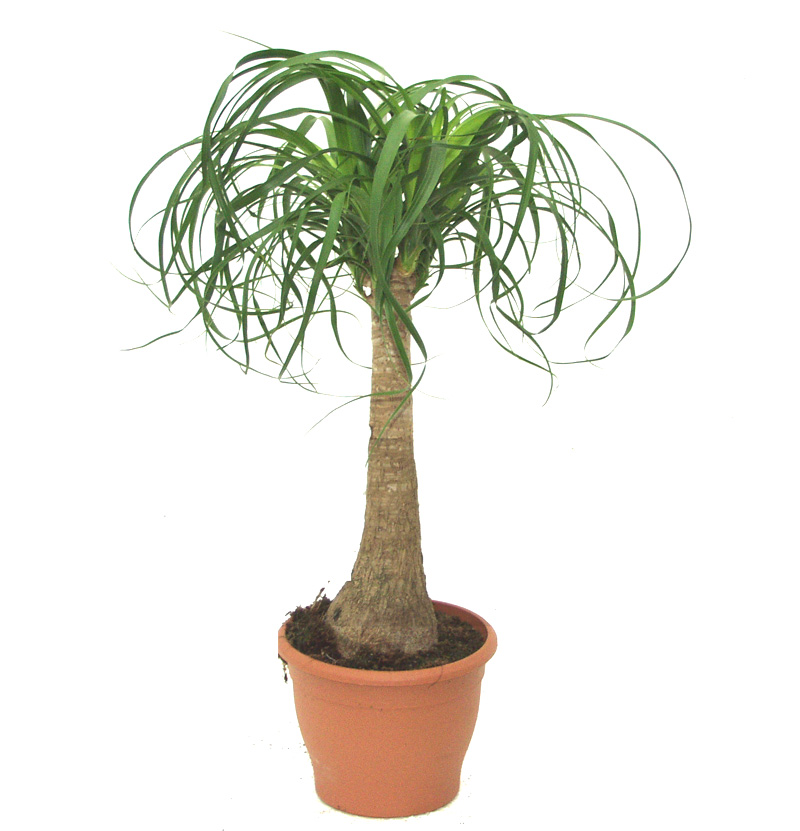
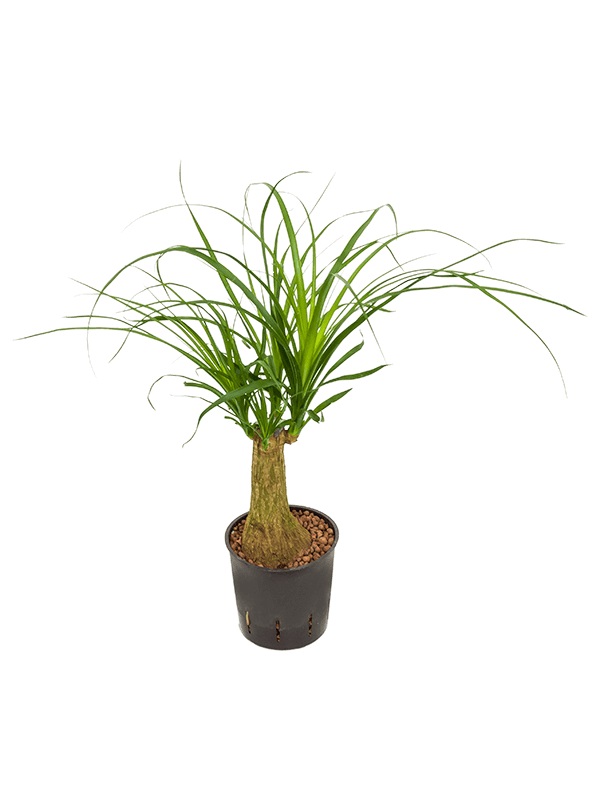
Unique trunk: Its characteristic trunk, which widens at the bottom, serves to store water – hence its name "elephant's foot."
-
Spectacular leaves: Long, dark green, grass-like leaves cascade from the top of the trunk, resembling a small palm tree (which is why it is called the Ponytail Palm).
-
Slow growth: It is an ideal houseplant because it grows slowly, so it remains decorative for years without outgrowing the space available.
Caring for the elephant foot: Tips for successful cultivation
Beaucarnea recurvata has minimal requirements, so it is considered an almost "indestructible" houseplant.
Light requirements and placement
The elephant's foot prefers bright, sunny locations, but it also tolerates partial shade well.
Watering and water requirements
Since it stores water in its trunk, overwatering is its biggest enemy.
-
Summer: Watering once every two weeks is sufficient.
-
In winter: Watering once a month is more than enough.
-
Important: Allow the soil to dry out completely between waterings! Standing water can cause root rot.
Repotting and soil
This plant does not like to be disturbed frequently. Only repot it when it is clearly outgrowing its pot, as its roots are very sensitive. Use well-drained cactus soil.
Browning of the leaves of the elephant's foot (Beaucarnea recurvata) is a relatively common phenomenon, but fortunately, in most cases, it is easily remedied. Here are the most common causes and solutions:
Why are the leaves of my elephant tree turning brown?
-
Dry air (most common cause): Although it is a desert plant, excessively dry indoor air (especially during the heating season) can dry out the tips of its long leaves.
-
Watering error: * Too much water: If the leaves turn yellow and soft in addition to browning, this is a sign of overwatering.
-
Too much fertilizer: Elephant's foot grows slowly, so salts that accumulate from over-fertilization can burn the tips of the leaves.
What can you do about brown tips?
The brown parts can be pruned for aesthetic purposes, but it is important to never cut into the living, green tissue! Always leave a millimeter of brown strip, otherwise the leaf will continue to dry along the wound.