Peperomia (Dwarf Pepper) – A stylish and versatile decoration for small spaces
Peperomia is one of the most diverse groups of plants in the plant world. Thanks to its compact size and extraordinary variety, it is the perfect choice for shelves, desks, or even smaller apartments. If you are looking for an easy-to-care-for yet spectacular plant, peperomia will not disappoint.
Peperomia obtusifolia (Fleshy-leaved dwarf pepper)
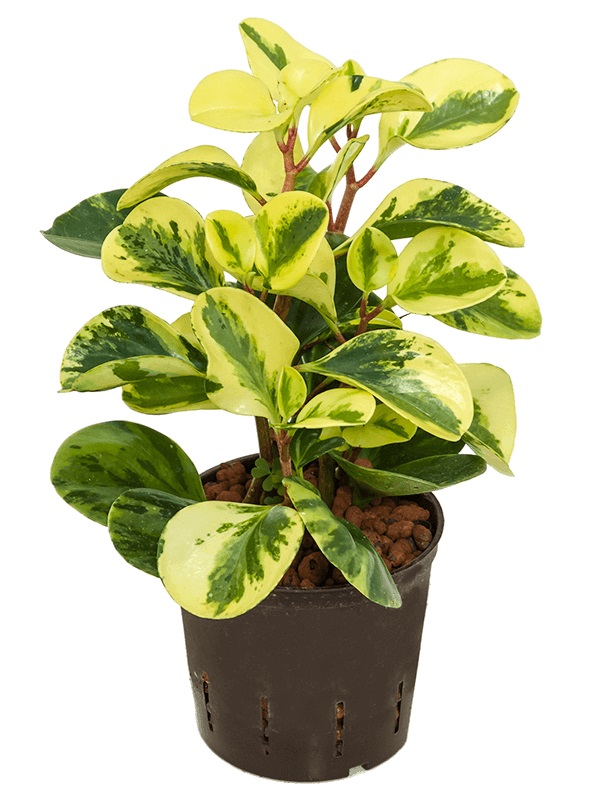
This is the "classic" variety. It has thick, rounded, dark green leaves that appear almost waxy.
-
Why do we love it? It is extremely hardy and stores water in its leaves, so if you forget to water it once in a while, it won't even notice.
-
Variety: There is also a 'Variegata' variety, whose leaves are decorated with creamy white or yellowish spots.
The origin and history of Peperomia
Peperomia belongs to the Piperaceae family. Its original habitat is in the tropical regions of Central and South America. Thanks to its excellent adaptability, it has become a popular houseplant all over the world, as despite its tropical origins, it thrives in modern home environments.
Characteristics of dwarf pepper
The plants in the Peperomia mix attract attention mainly with their unique foliage:
-
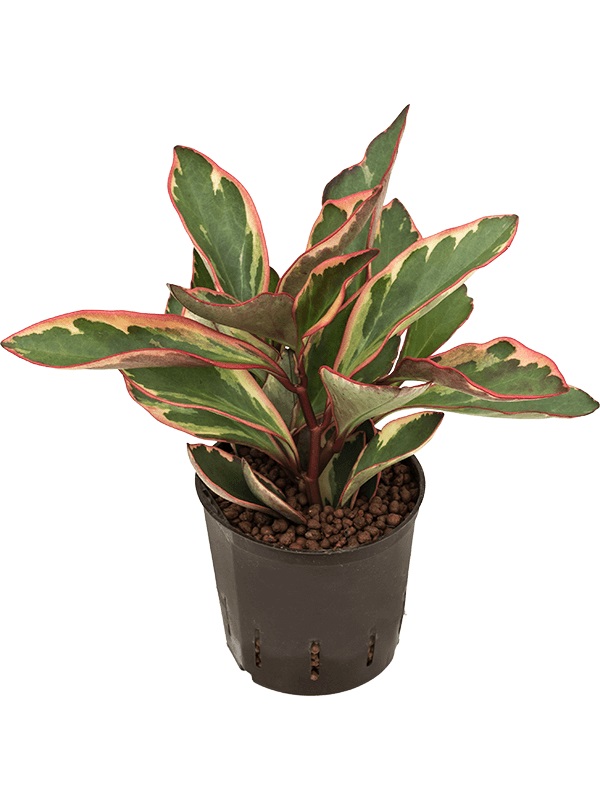
Varied leaves: The leaves of the varieties in the mix can be thick, fleshy, smooth or deeply grooved, and their color can range from dark green to silvery to variegated.
-
Compact size: They usually grow to a height of 15–45 cm, making them ideal for decorating smaller rooms.
-
Discreet inflorescence: Although they may produce small, stick-like inflorescences, dwarf pepper plants are primarily valued for their impressive leaves.
-
Hardiness: Although native to the tropics, it tolerates indoor climates well as long as it is not too cold or extremely dry.
Caring for peperomia: A guide to healthy leaves
Peperomia's needs are simple, but there are a few things to keep in mind to ensure its healthy growth.
Light requirements and placement
The plant prefers the right amount of indirect light. The scorching sun can easily damage its leaves, so it is best to place it in a location where the light is filtered (e.g., through a curtain). It can also survive in partial shade, but in this case, the color of the variegated varieties will be less intense.
Watering and water requirements
Peperomia has moderate water requirements, and its leaves often store some water, similar to succulents.
-
Watering: Only water when the top layer of soil has dried out slightly.
-
Important: Ensure good drainage in the pot to prevent root rot! Discoloration or leaf drop may be a sign of overwatering.
-
Leaf protection: Avoid getting water on the leaves when watering, as this can lead to rot.
Humidity and temperature
Although it likes a more humid environment, dwarf pepper does not require extra humidification on a daily basis. However, it is important to avoid drafts and drastic drops in temperature, as it is a cold-sensitive plant.