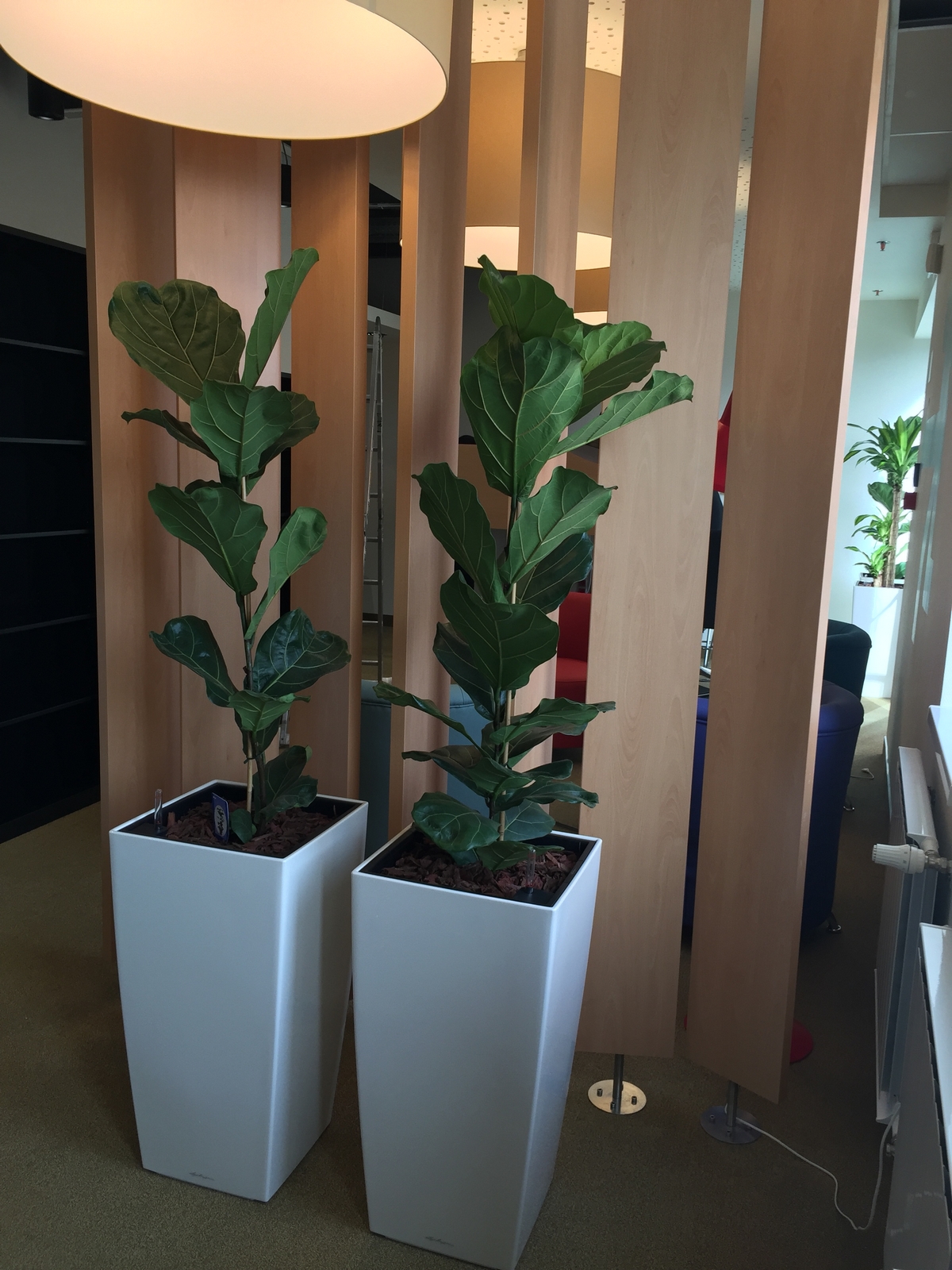
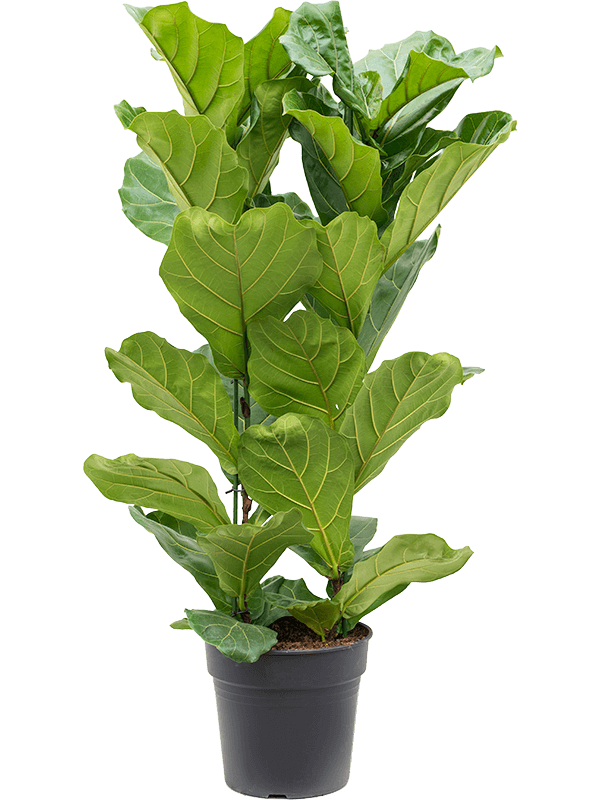
Ficus lyrata (Fiddle-leaf fig) – The crown of the living room and the style icon of interior spaces
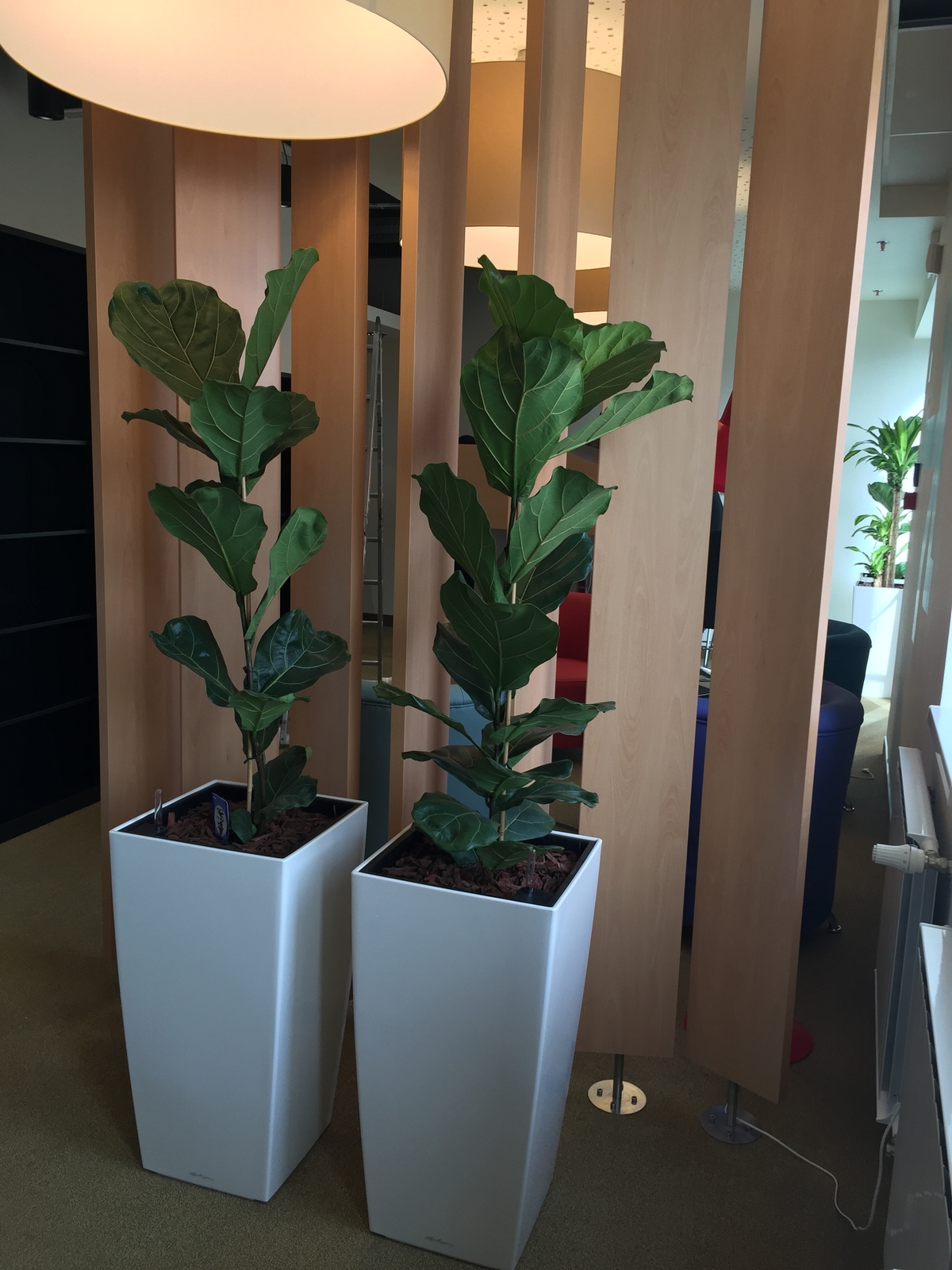
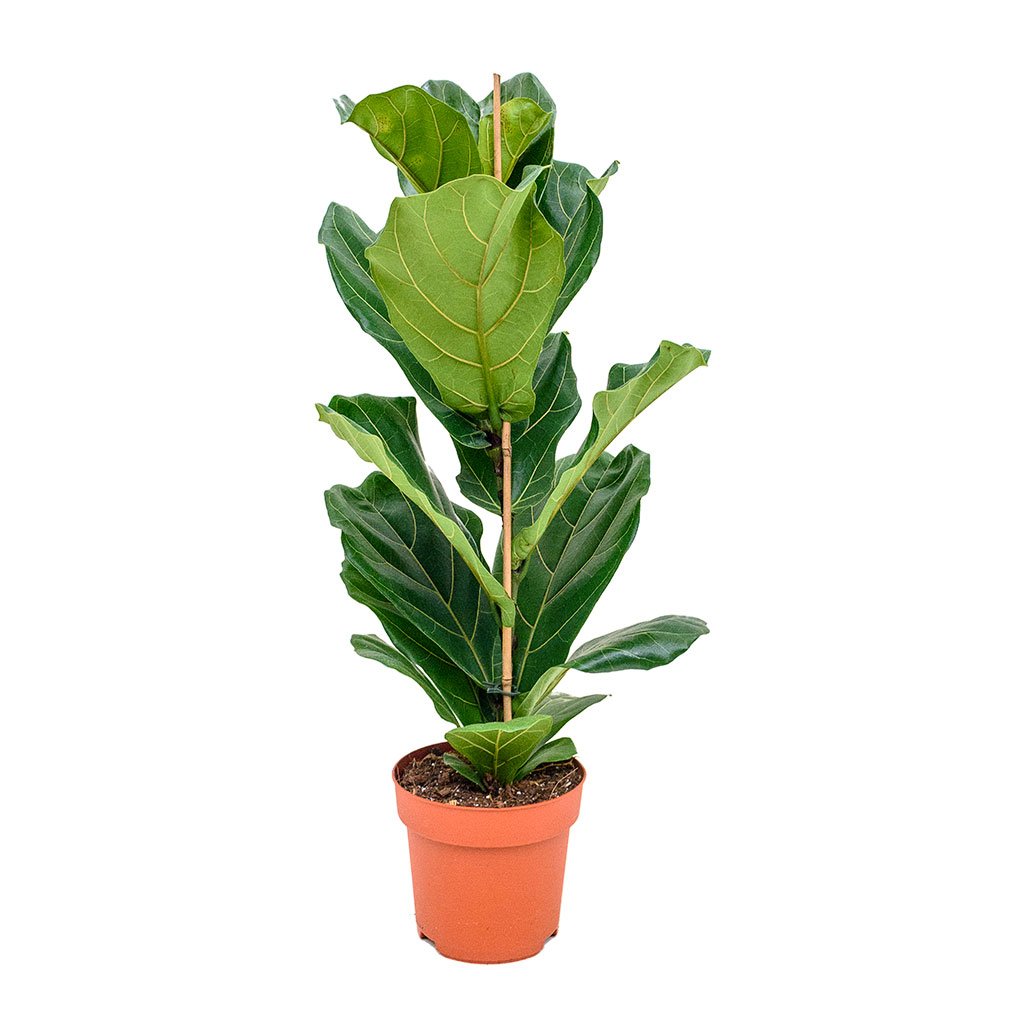
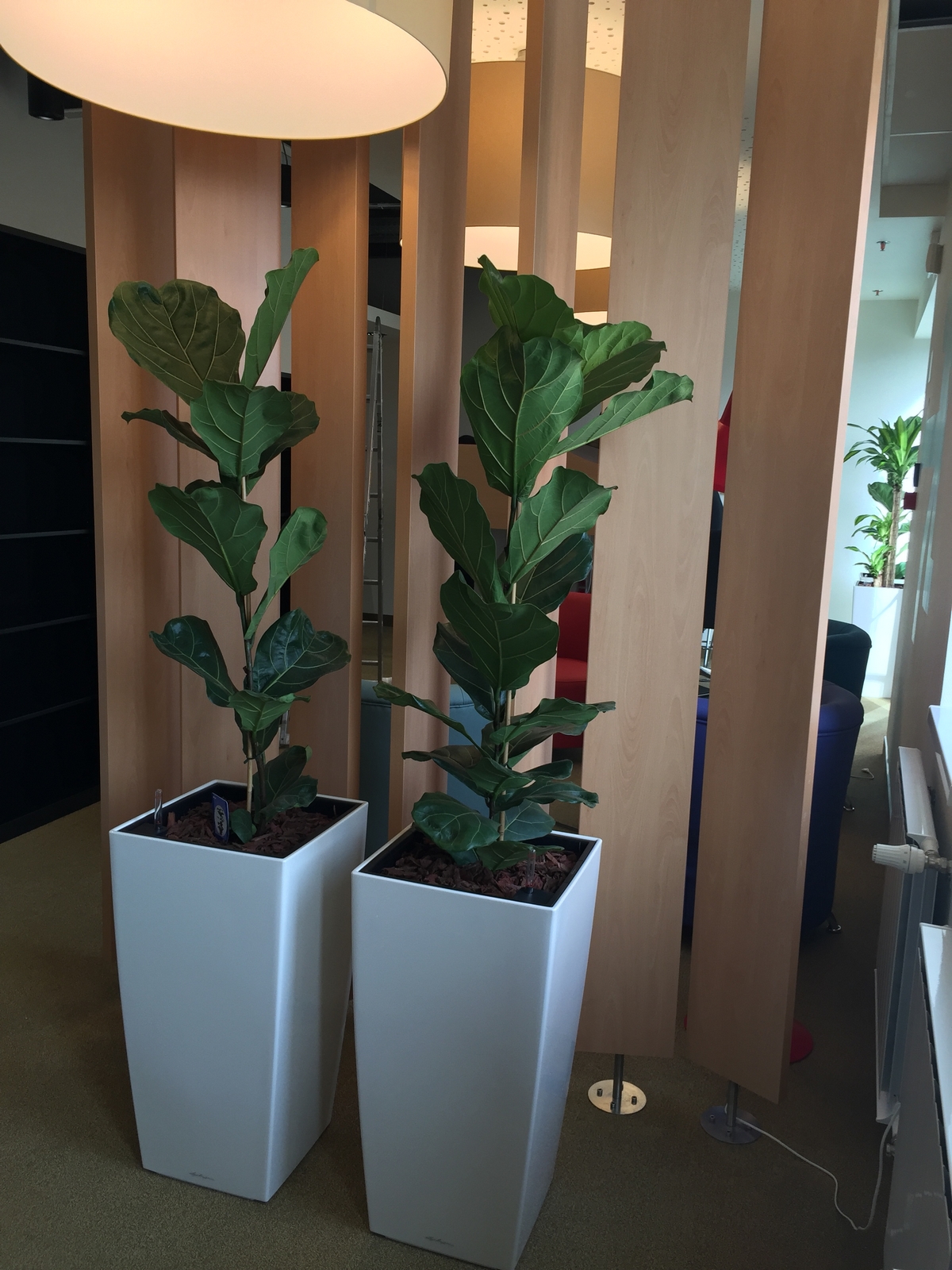
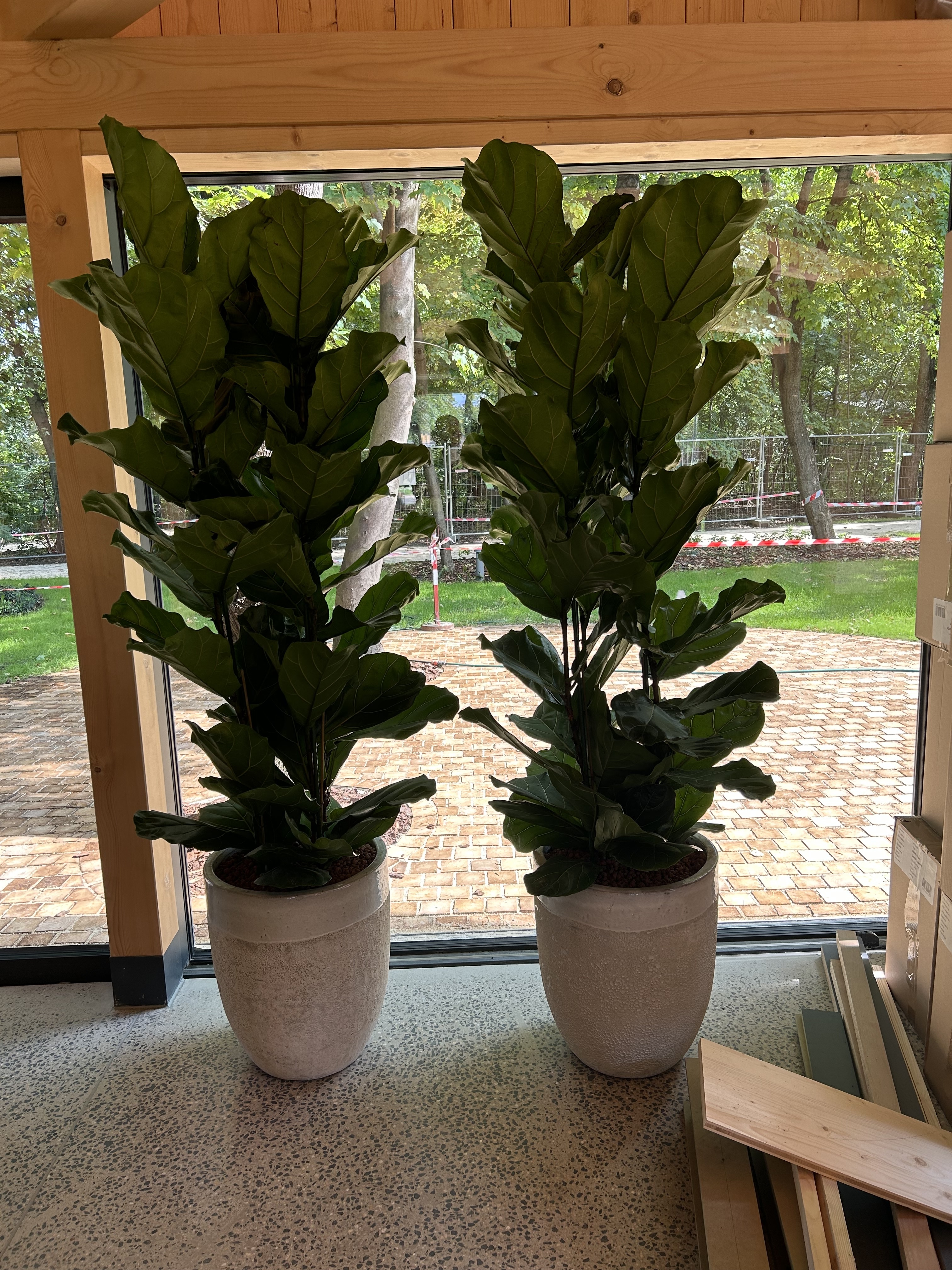
Ficus lyrata, better known as the fiddle-leaf fig, is one of the most sought-after houseplants in modern interior design. With its huge, sculptural leaves, it creates a dramatic effect and can instantly transform any room into an elegant space. Although it requires attention, it rewards proper care with spectacular growth.
The origin and history of the fiddle-leaf fig
Ficus lyrata originates from the tropical rainforests of West Africa and is native to Cameroon and Ivory Coast. It belongs to the Moraceae family. In its natural habitat, it grows into an imposing tree, reaching heights of up to 12 meters. It can also grow to an impressive size in home conditions, making it a real focal point in the home.
Characteristics and appearance of the plant
The appearance of the fiddle-leaf fig is unmistakable:
-
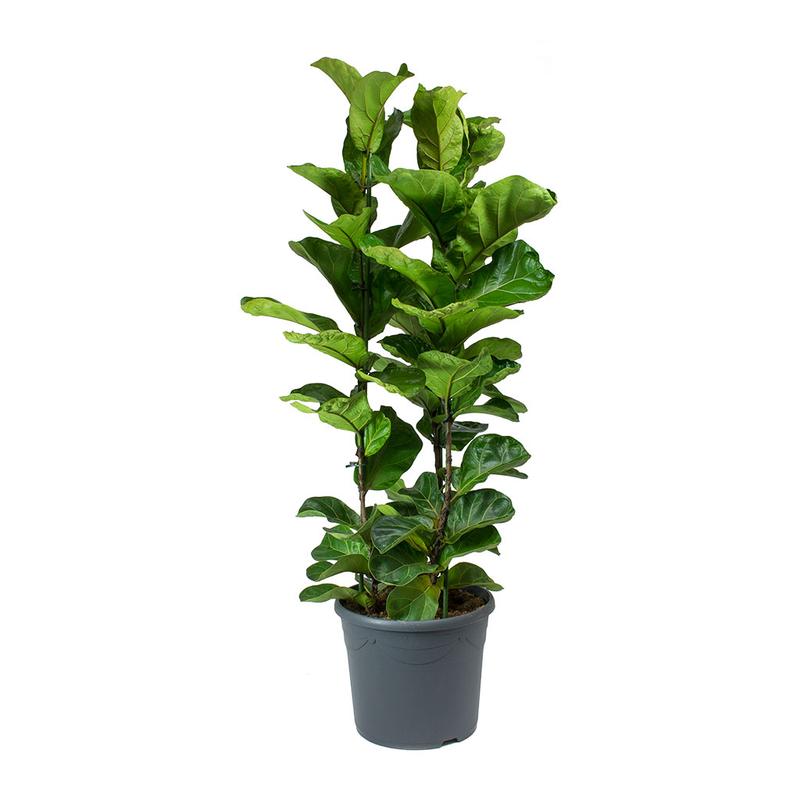
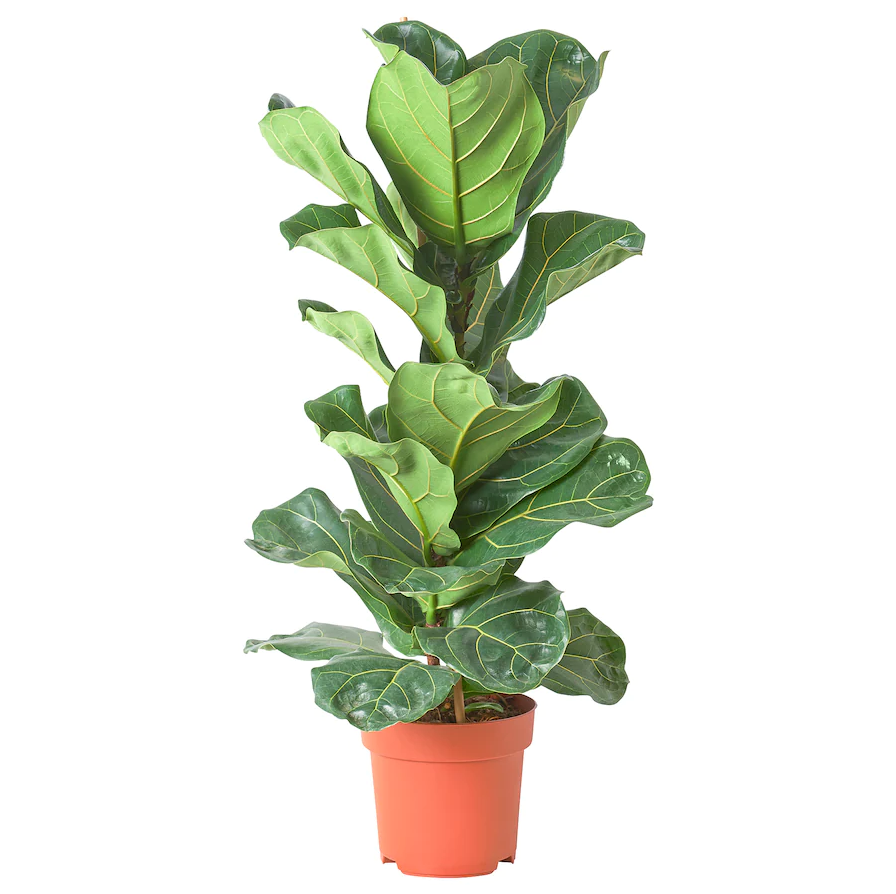
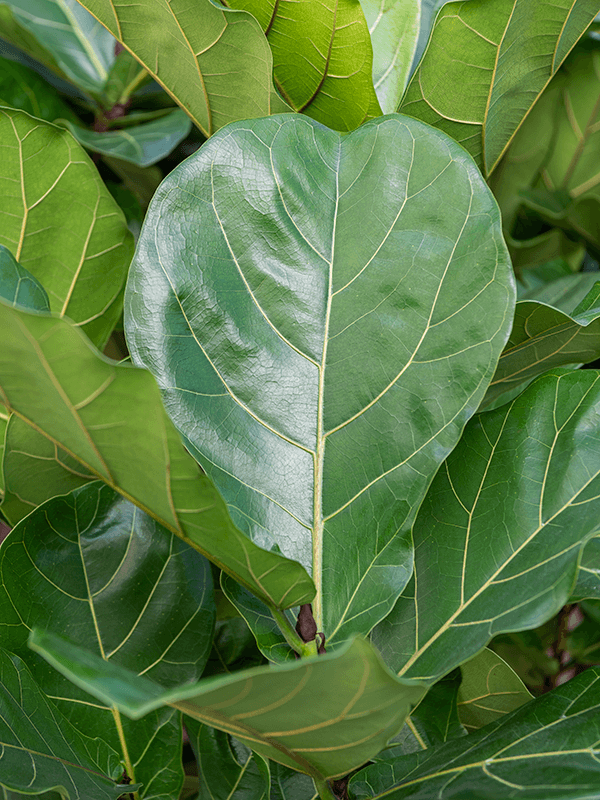
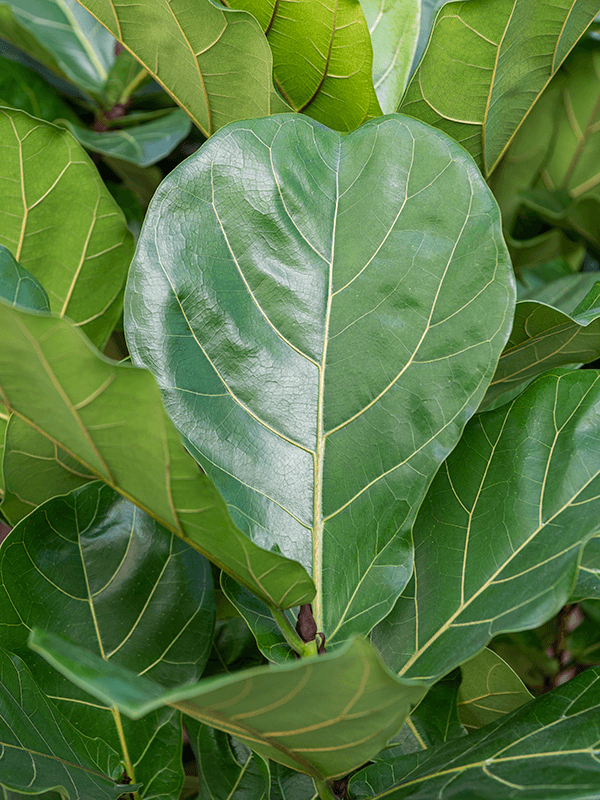
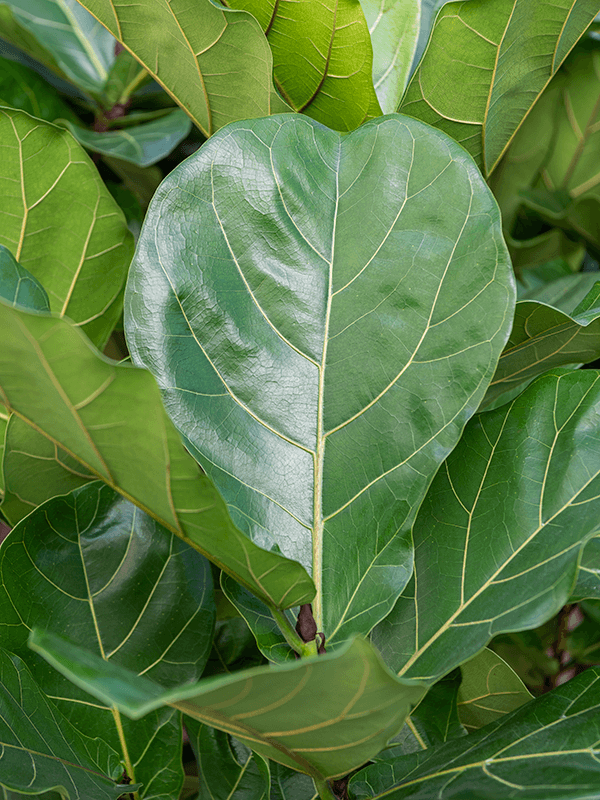
Huge leaves: It gets its name from its unique leaves, which resemble a violin or lyre.
-
Texture and color: The glossy, leathery leaves are thick, bright green, and their distinctive veins give them a characteristic pattern.
-
Slow but steady growth: Although it grows relatively slowly, it can reach a height of several meters even in indoor conditions.
-
Air-purifying effect: An excellent air-purifying plant that helps keep the air in your home fresh.
Caring for Ficus lyrata: A guide to healthy growth
The fiddle-leaf ficus has specific needs, so it is important to follow the care instructions carefully to avoid leaf drop.
Light requirements and placement
Ficus lyrata loves light but is sensitive to changes:
-
Light conditions: Requires abundant indirect sunlight. Find a permanent, bright spot for it, as it does not tolerate frequent movement and drafts well.
-
Climate: It likes warm and humid environments, which are most reminiscent of its original rainforest habitat.
Watering and nutrients
Precise watering is the key to success:
-
Moderation: Only water when the top layer of soil has dried out. Make sure that the roots are never standing in water, as this can quickly lead to root rot.
-
Drainage: Use well-drained potting soil and a pot with a drainage hole at the bottom to allow excess water to drain away.
-
Fertilization: During the spring and summer growing season, feed it regularly (every 2-4 weeks) with fertilizer intended for indoor plants.
Sharp, well-defined sunken spots appear. Heavily infected leaves turn yellow and then fall off.
The fiddle-leaf ficus is indeed one of the most sensitive houseplants: if it is not feeling well, it protests with drastic leaf drop. But don't panic! If you recognize the signs in time, the plant can be saved.
Here are the most common reasons why the fiddle leaf fig sheds its leaves, and the solutions:
1. "Moving shock" (too much movement)
Ficus lyrata hates change. If you have recently purchased it or moved it from one corner of the room to another, the leaves may start to fall off.
2. Watering mistakes (The secret of brown spots)
The discoloration of the leaves shows exactly what the problem is:
-
Overwatering: If dark brown or black spots appear on the leaves (usually starting at the edges), this indicates root rot.
-
Dehydration: If the edges of the leaves are light brown, paper-like, dry, and rustling, the plant is thirsty or the humidity is too low.
3. Lack of light
If the plant is becoming bare (dropping its lower leaves), it is often because it is not getting enough energy to maintain its large foliage.
4. Drafts and temperature fluctuations
As a tropical plant, sudden cold air (e.g., during winter ventilation) shocks it.
Pro tip: The leaves of the fiddle-leaf fig are huge, so they collect a lot of dust, which inhibits photosynthesis. Wipe the leaves once a month with a soft, damp cloth! This will not only make it more beautiful, but also healthier.