Sansevieria cylindrica 'Tower' – Modern elegance and the power of the African spear
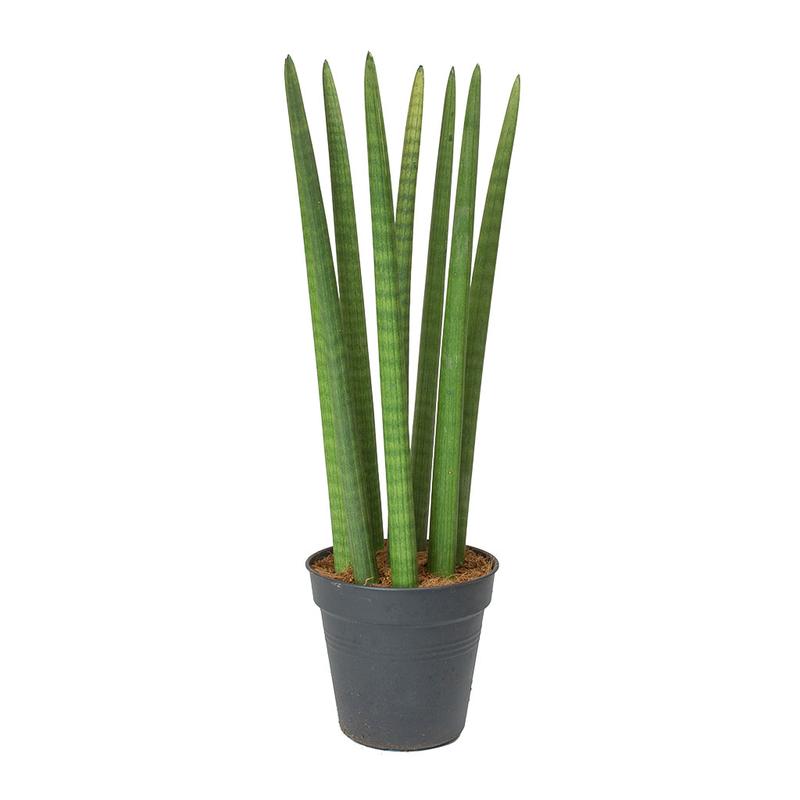
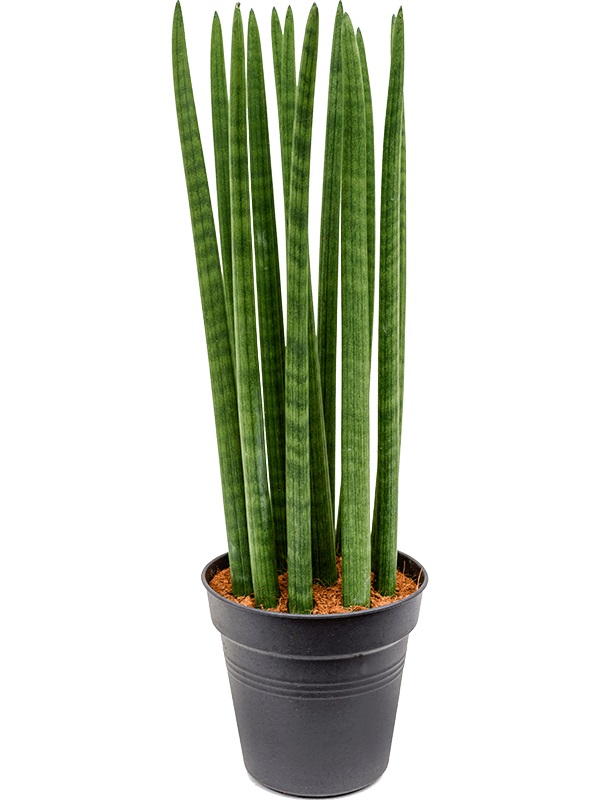
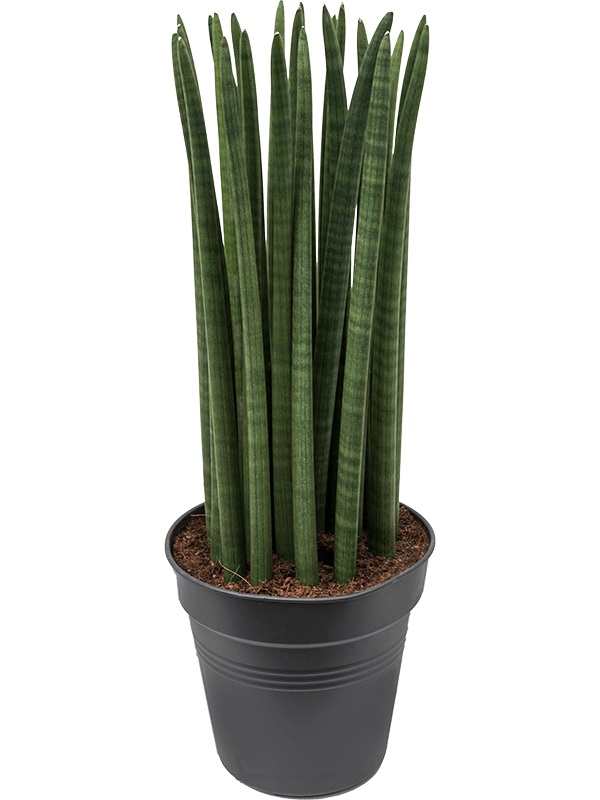
Sansevieria cylindrica 'Tower', better known as cylindrical mother-in-law's tongue or African spear, is one of the most unusual-looking houseplants. With its vertical, columnar leaves and clean lines, it decorates modern homes and offices like a true architectural element.
The origin and history of Sansevieria 'Tower'
This unique variety originates from West Africa, mainly Angola and Mozambique. In its native habitat, it has adapted to a dry, hot climate where plants must survive on minimal water. Due to its hardy nature, it has become popular all over the world, wherever similar favorable conditions can be provided.
Characteristics and appearance of the plant
The name 'Tower' is no coincidence; its tower-like, upward growth makes it unique:
-
Cylindrical leaves: Unlike traditional mother-in-law's tongue, the leaves of this variety are cylindrical, compact, and pointed like a spear.
-
Size: Under the right conditions, the leaves can reach a height of up to 1 meter.
-
Texture: Its deep green, stiff leaves are covered with a natural wax coating, which helps reduce evaporation.
-
Flowering: It rarely flowers when kept indoors, but under optimal conditions it can produce small, sweet-smelling flowers.
Caring for Sansevieria cylindrica: Tips for maintaining your "green sculpture"
The cylindrical mother-in-law's tongue has very few requirements, making it the perfect choice for those who travel a lot or have little time to devote to plant care.
Light requirements and placement
-
Light conditions: It likes plenty of light, but also tolerates partial shade very well.
-
Temperature: It adapts well to both cooler and warmer indoor spaces, so it can be placed almost anywhere in the home where it will not be exposed to frost.
Watering and soil requirements
The golden rule here is moderation:
-
Little water: It tolerates bone-dry soil better than overwatering. Only water it when the soil is completely dry.
-
Dangers: Excessive water can lead to root rot, which is the plant's worst enemy.
-
Soil: It thrives in well-drained, sandy soil or soil mix intended for cacti.
-
The cylindrical leaves of Sansevieria cylindrica can act as a real dust trap in the home, and since the plant also breathes through its leaves, cleaning is not only an aesthetic issue but also a health issue for the plant.
Here are the best ways to keep your "spears" clean:
1. Wiping with a damp cloth (the most effective method)
Since the leaves are stiff and upright, you can easily wipe them down with a soft, damp cloth or microfiber wipe.
2. Showering
If the plant has multiple shoots and a lot of dust has accumulated at the base, showering is the quickest solution.
-
Caution: Cover the soil in the pot with nylon to prevent the soil from becoming too wet! Rinse the leaves with lukewarm water, then make sure that no water remains in the hollows between the leaves, as this can cause rot.
3. Natural polishing
Never use store-bought leaf shine spray on Sansevieria, as it can clog their pores!
4. Dusting with a brush
Dust often accumulates at the base of the leaves, where the spear shapes meet, which is difficult to reach with a cloth. A soft-bristled paintbrush or makeup brush is the perfect tool for this purpose.